

 English
 Record Increase in VLCC Orders Intensifies the Race for Capacity at Shipyards
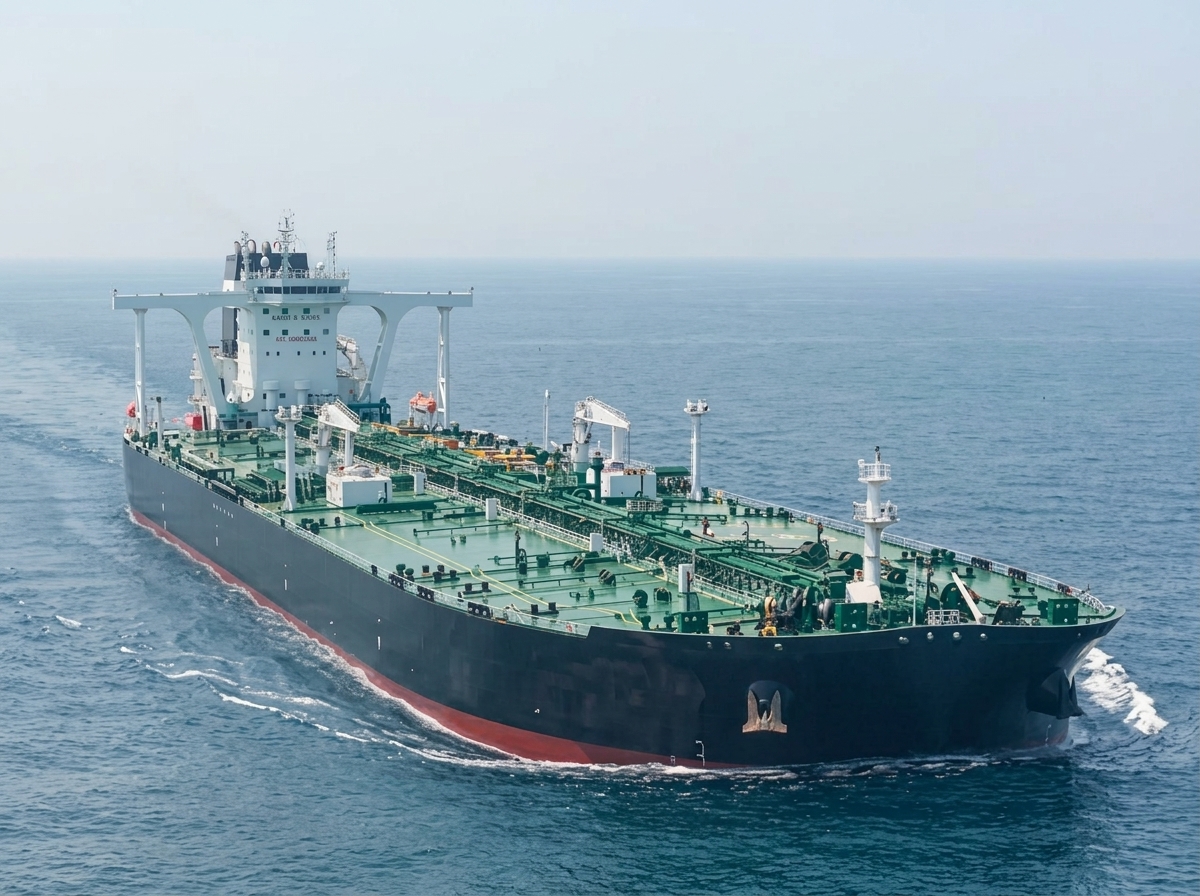
There is notable activity in the large tanker segment of the global maritime shipping industry. New orders for Very Large Crude Carrier (VLCC) class crude oil tankers are set to reach record levels in 2026, while rising demand has begun to put pressure on shipyards’ current production capacities.
According to industry analyses, VLCC orders placed in 2026 showed a strong increase compared to the same period the previous year. The rapid rise in new orders is driven by high tanker freight rates, the need to renew the aging VLCC fleet, and shifting global oil trade routes.
According to BIMCO data, new ship orders for crude oil tankers reached 60 million DWT in the first half of 2026, with VLCC orders accounting for a significant portion of this increase. The fact that the VLCC order book reached approximately 38 percent of the current fleet in September demonstrates just how rapidly the sector is growing.
However, high demand brings with it a new challenge: shipyard capacity.
According to analysts, the filling of existing shipyard slots, constraints in equipment supply, and long delivery times may lead to a more controlled pace for new VLCC orders in the coming period. In other words, even if shipowners wish to place new orders, finding suitable shipyard capacity is becoming increasingly important.
What Does This Mean for the Tuzla Shipyards?
This growth in the global tanker market should not be viewed solely as an opportunity for new shipbuilding from the perspective of the Tuzla Shipyard Region. One of the key opportunities may lie in the growing demand for ship maintenance, repair, dry-docking, conversion, and technical services.
As new tankers join the fleet, a larger tanker fleet is expected to be operated in the coming years; meanwhile, the need for shipyard services—such as periodic maintenance, classification society inspections, steel and piping work, surface treatments, electrical and mechanical work, and BWTS and scrubber installations—will remain significant.
Tuzla’s strong maintenance, repair, and ship conversion infrastructure could provide a significant advantage in this regard. While shipyards in the region offer maintenance and conversion services for various tanker and large commercial vessel segments, some facilities also have dry dock infrastructure capable of servicing VLCC-sized vessels.
For example, some shipyards in Tuzla are active in tanker maintenance and repair, dry docking, steel and piping work, mechanical work, surface treatments, and ship conversion projects. This infrastructure is significant in that the growth of the global tanker fleet could create new business opportunities for the maintenance and repair market in Turkey.
Tuzla’s Advantage: Not Just Shipyards, but the Entire Maritime Ecosystem
Another important impact of the growth in the tanker market on Tuzla is that it is not limited to shipyards alone.
New ship orders and the growing tanker fleet can generate additional demand in numerous ancillary service sectors, such as marine electrical systems, automation, mechanical services, spare parts, welding and steelwork, painting and surface treatment, hydraulic and pneumatic systems, ship supply, and technical services.
Therefore, the rise in global VLCC orders can be viewed not so much as a direct opportunity for Tuzla to become a “VLCC construction hub,” but rather as an opportunity to capture a larger share of the maintenance, repair, conversion, and technical supply needs of the expanding tanker fleet.
The ecosystem of shipyards and maritime suppliers that Tuzla Shipyards possesses also stands out as one of the region’s key advantages in this regard.
Global Demand Could Create New Opportunities for Tuzla
The record increase in VLCC orders highlights just how valuable global shipyard capacity has become. The limited capacity for new shipbuilding may require shipowners to operate their existing fleets efficiently for longer periods and to plan ship maintenance and repair processes more carefully.
This situation could present a significant opportunity for Tuzla to strengthen its position in the global tanker and commercial ship market, thanks to its strategic location, shipyards, technical service firms, and maritime suppliers.
As the global tanker fleet grows, strong shipyard clusters like Tuzla may gain even greater importance for a significant portion of the maintenance, repair, conversion, and technical services that this fleet will require.
